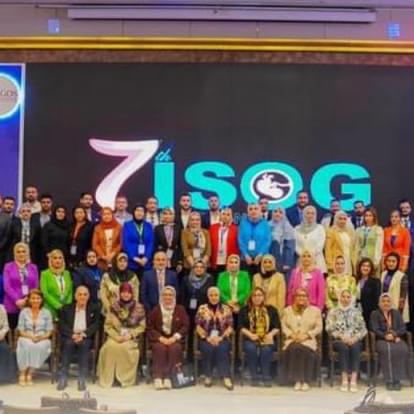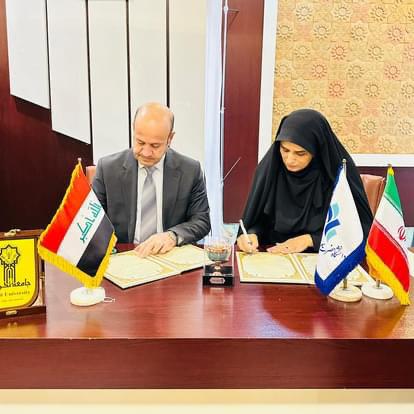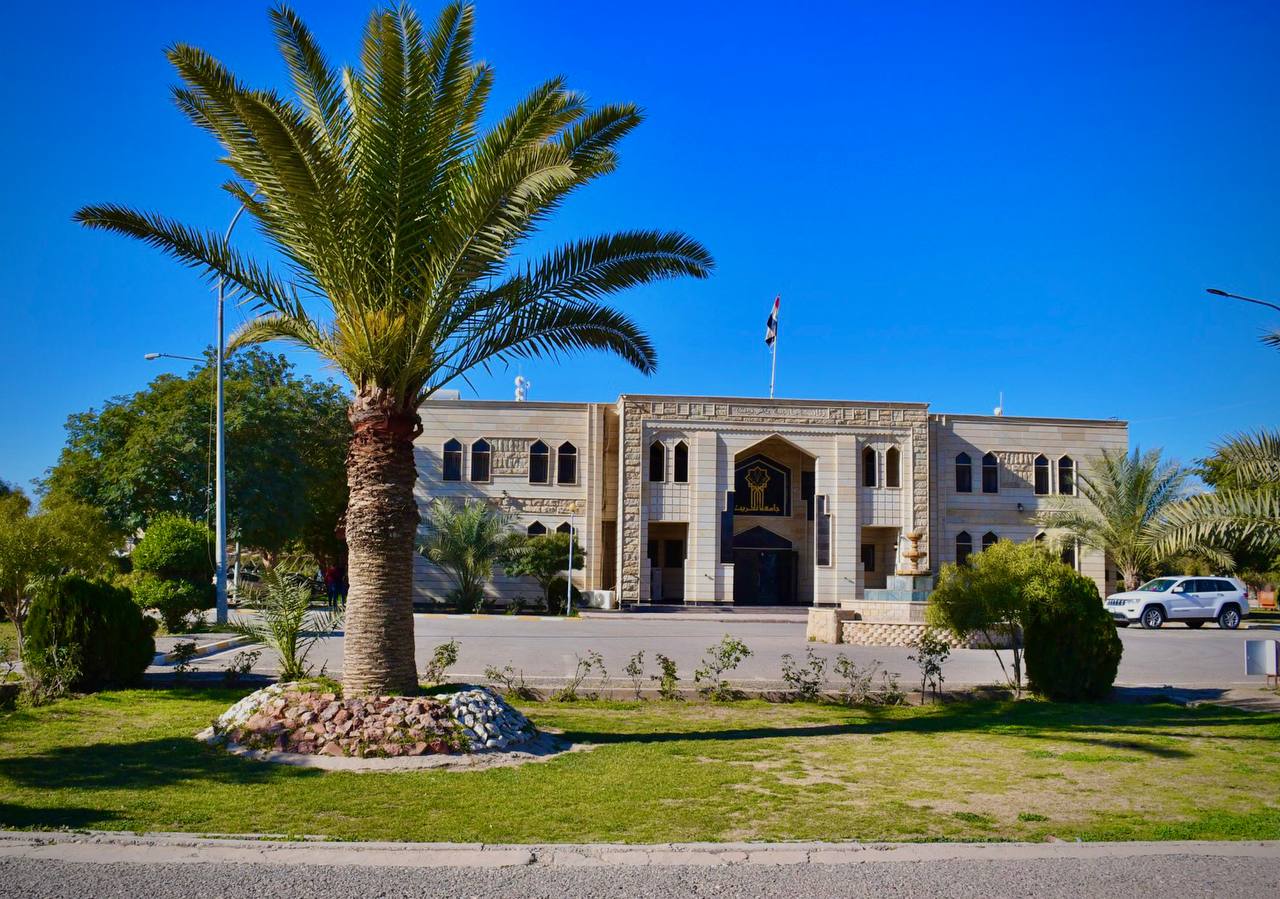
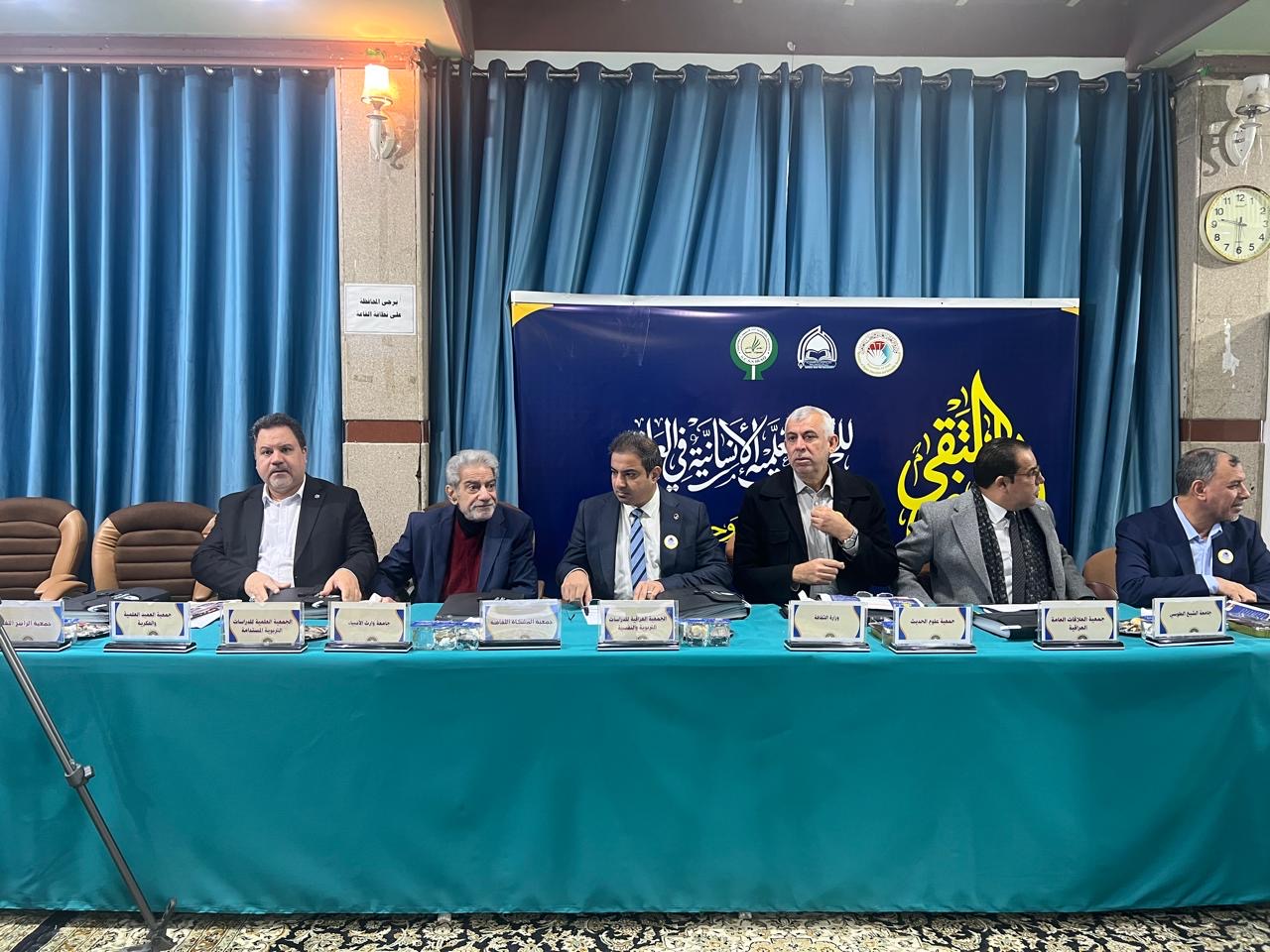
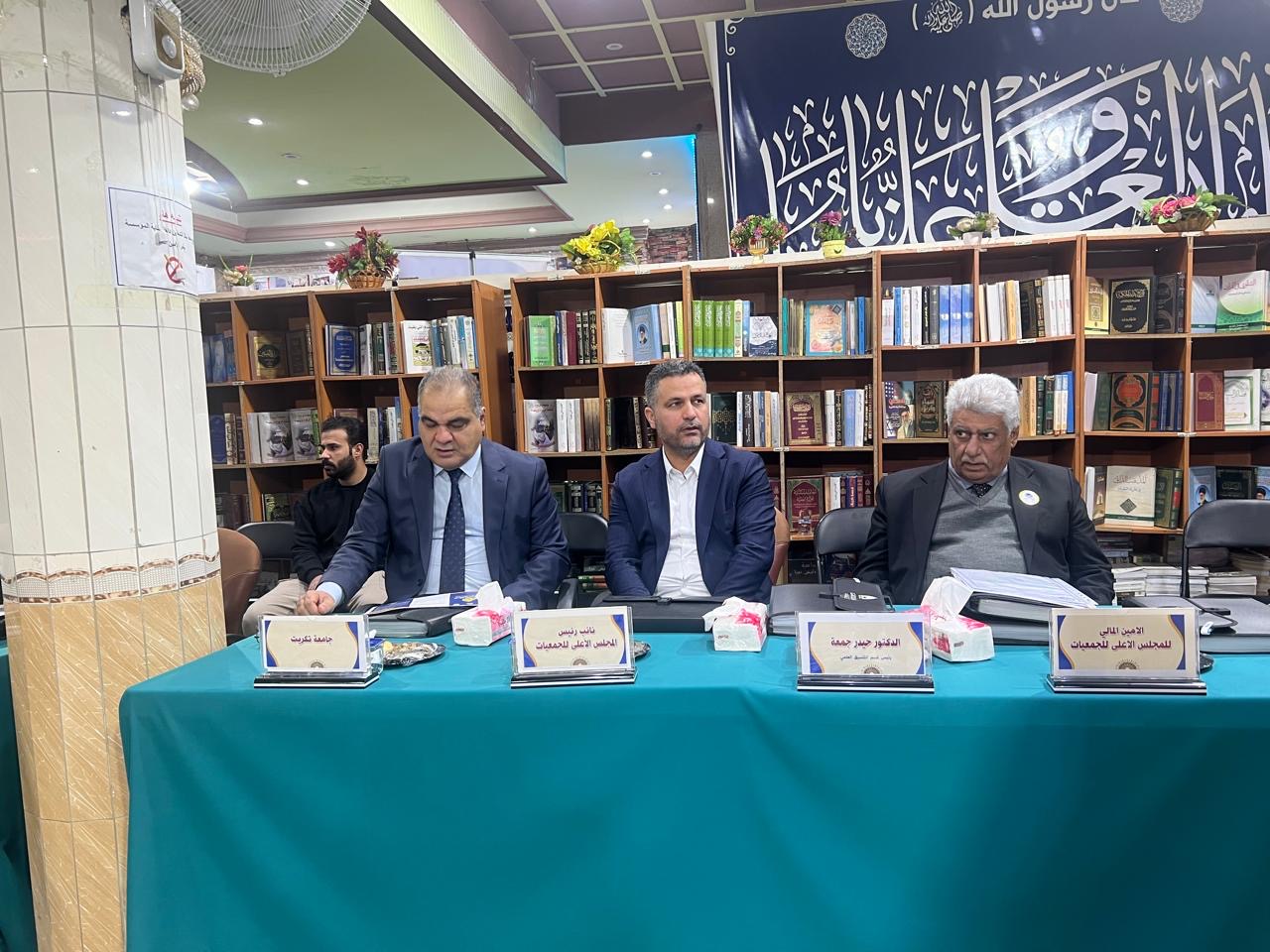
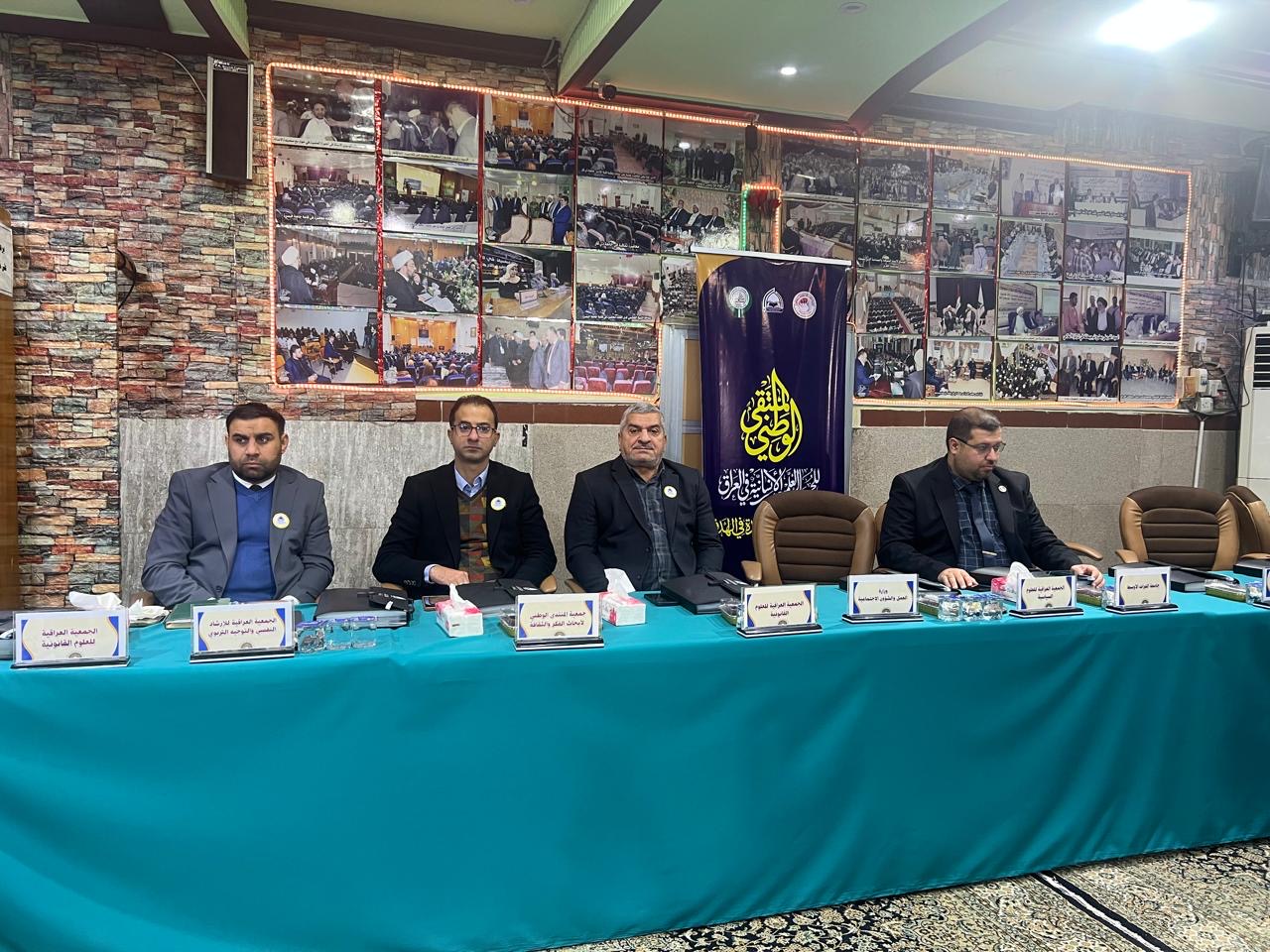
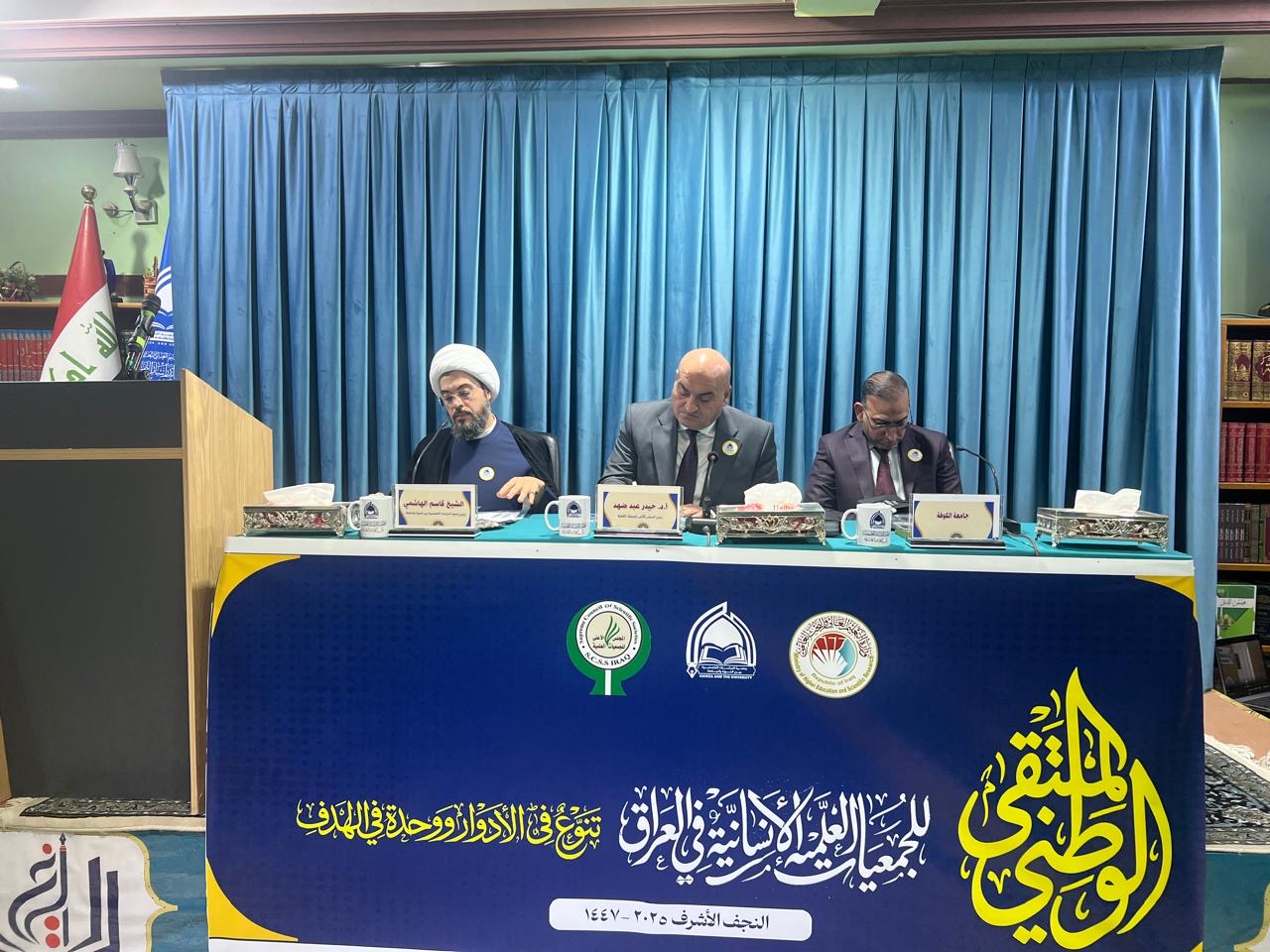
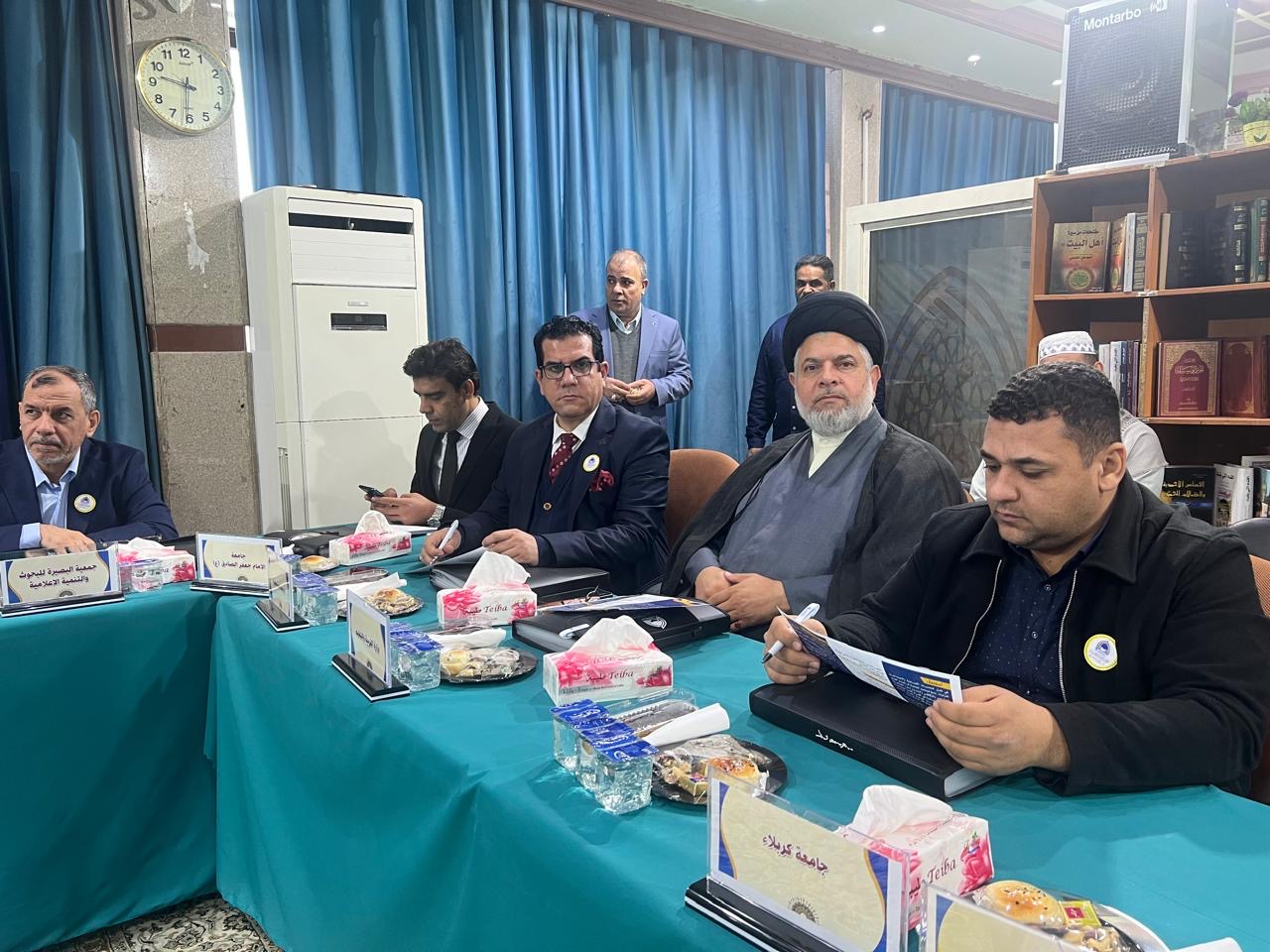
Tikrit University participated in the National Forum of Scientific and Humanitarian Associations in Iraq, which was held in the city of Najaf Al-Ashraf on Saturday, 20/12/2025, under the theme “Diversity of Roles and Unity of Purpose.” The forum was organized under the patronage of the Ministry of Higher Education and Scientific Research, with wide participation from academics, researchers, and representatives of universities as well as scientific and humanitarian institutions.
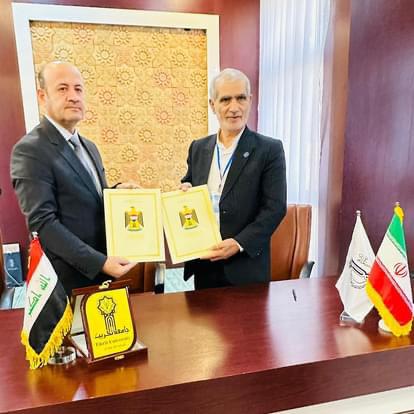
During the forum, Professor Dr. Waad Mahmoud Raouf, President of Tikrit University, was honored by the Association of Specialized Studies between the Hawza and the University, and was awarded a certificate of appreciation in recognition of his prominent scientific and intellectual role, his active participation in the forum’s activities, and his contributions to supporting the path of scientific research and strengthening cooperation and integration among scientific and humanitarian associations in Iraq.
The certificate of appreciation was received on behalf of the University President by Professor Dr. Hassan Hussein Ibrahim, Assistant President of the University for Scientific Affairs, who attended the forum on behalf of the President of Tikrit University. During his attendance, he emphasized the importance of such scientific gatherings in unifying academic efforts, enhancing institutional partnerships, and fostering a spirit of joint cooperation in a way that contributes to serving intellectual and cultural development in the country.
The convening of this forum comes within the framework of efforts to strengthen partnerships between academic institutions and scientific and humanitarian associations, and to open new horizons for scientific and intellectual communication, in line with the requirements of developing scientific research, supporting applied humanitarian studies, and serving Iraqi society.
The forum also sought to enhance communication and coordination among scientific and humanitarian associations in Iraq, highlight the most prominent scientific and humanitarian achievements and activities offered by these associations, and work toward formulating a unified national vision to promote sustainable humanitarian and scientific work. In addition, it discussed avenues of cooperation with universities and academic institutions to support applied humanitarian research and studies, and proposed supportive policies and regulatory legislation to facilitate the work of associations and advance their development.
The beneficiaries of the forum’s activities included Iraqi universities, the Ministry of Culture, civil society organizations, and the Independent High Commission for Human Rights, reflecting the national and integrative dimension of the forum and its role in supporting joint scientific and humanitarian work.
1.jpg)
.jpg)
.jpg)
.jpg)
.jpg)
.jpg)
.jpg)