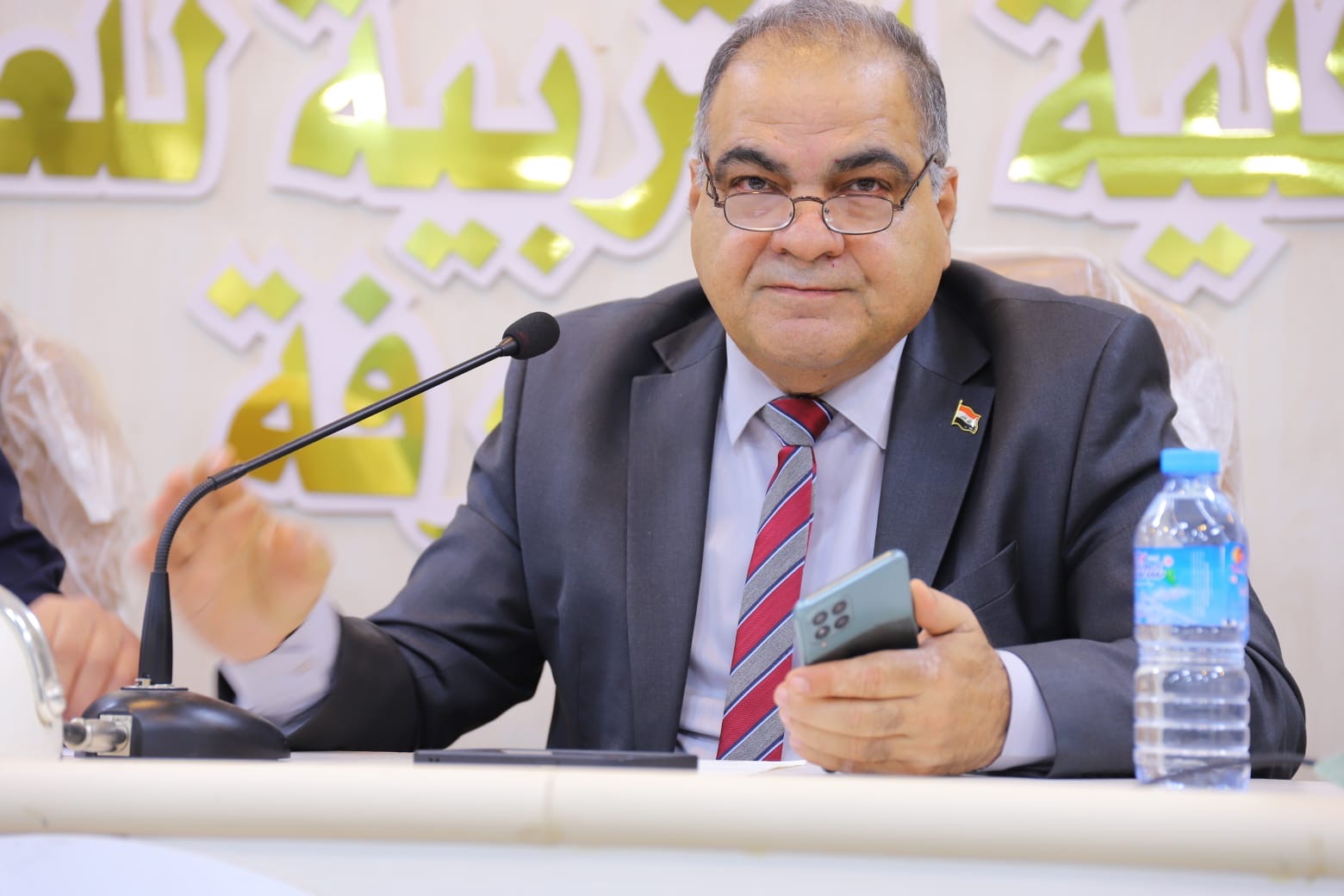





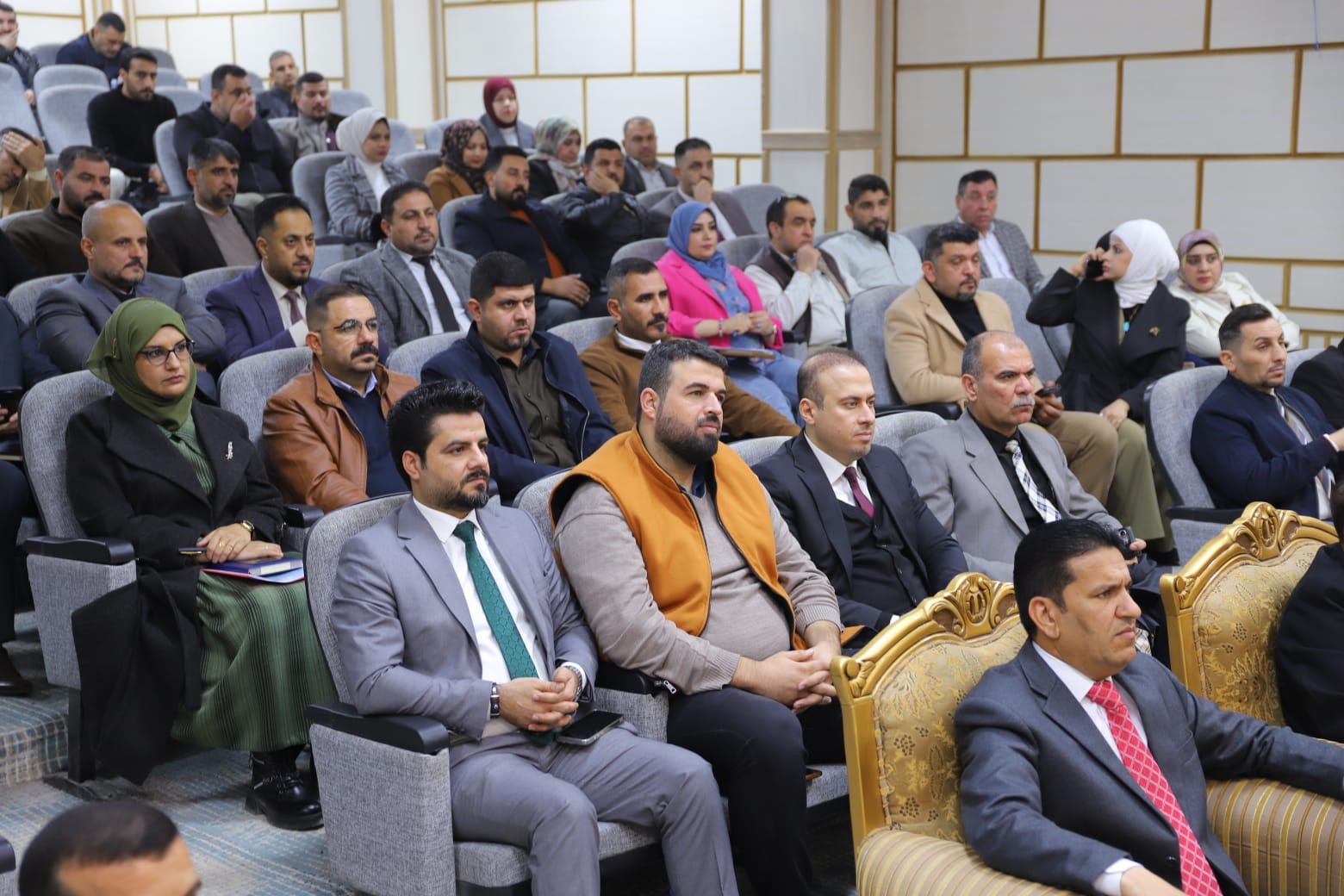
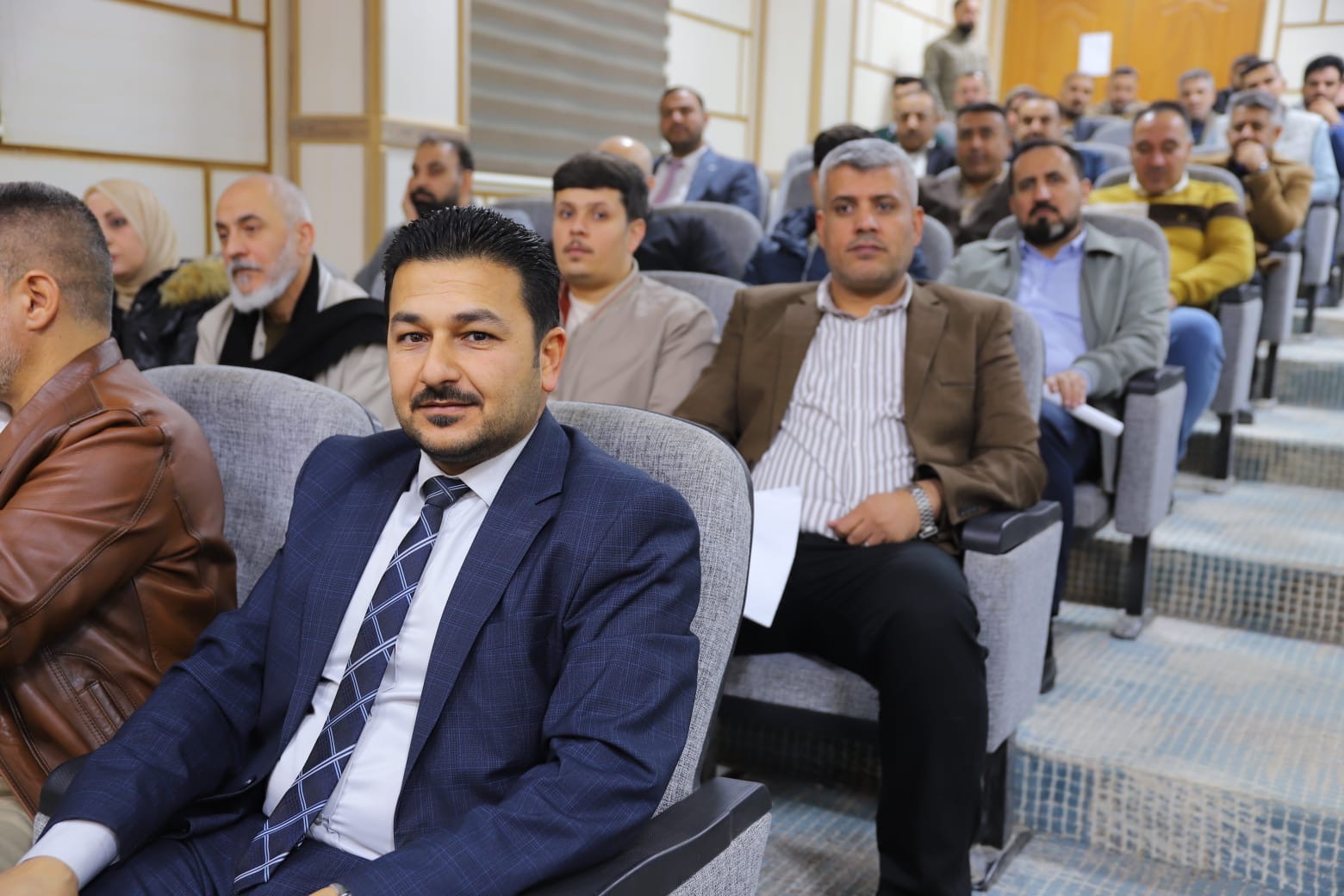

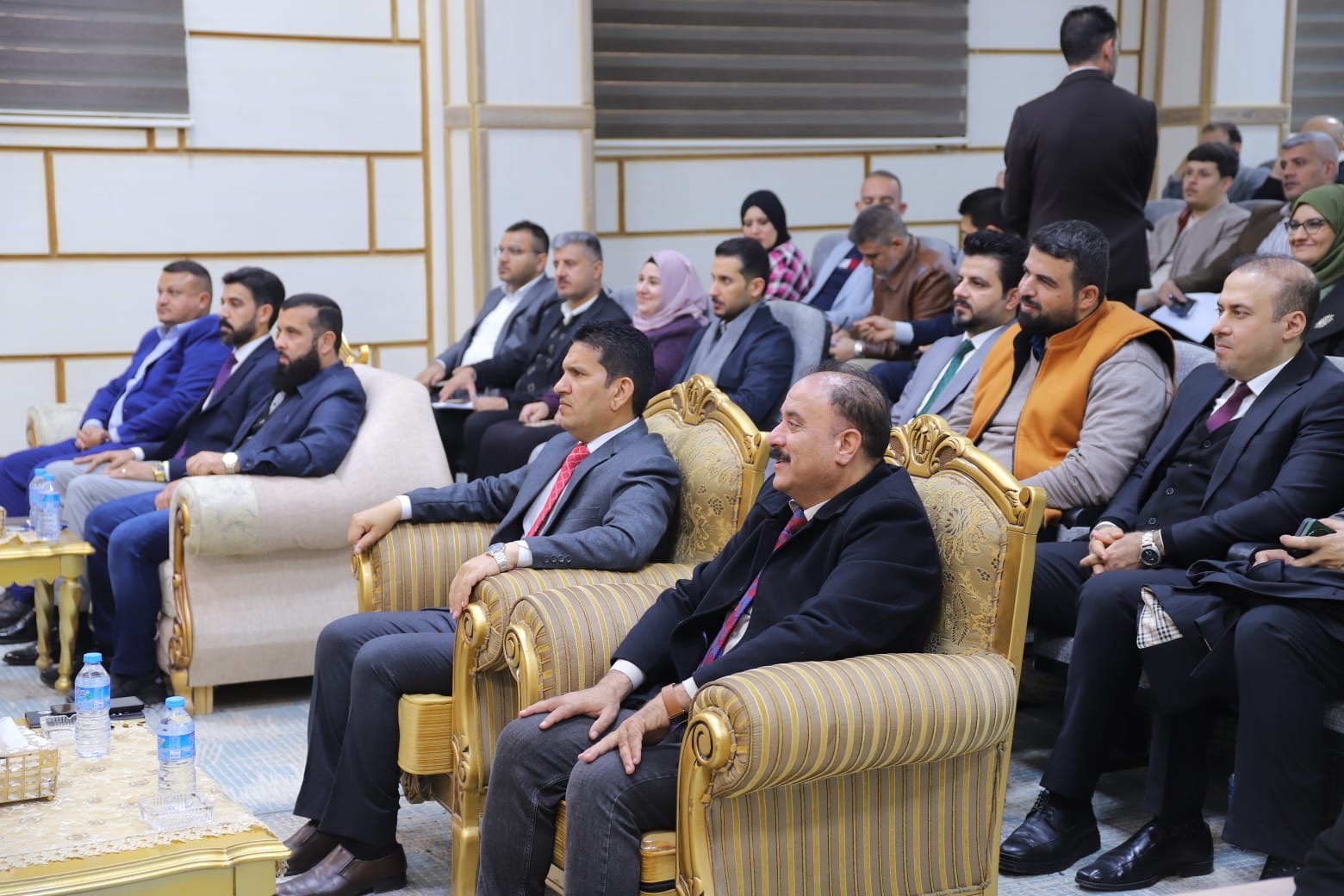
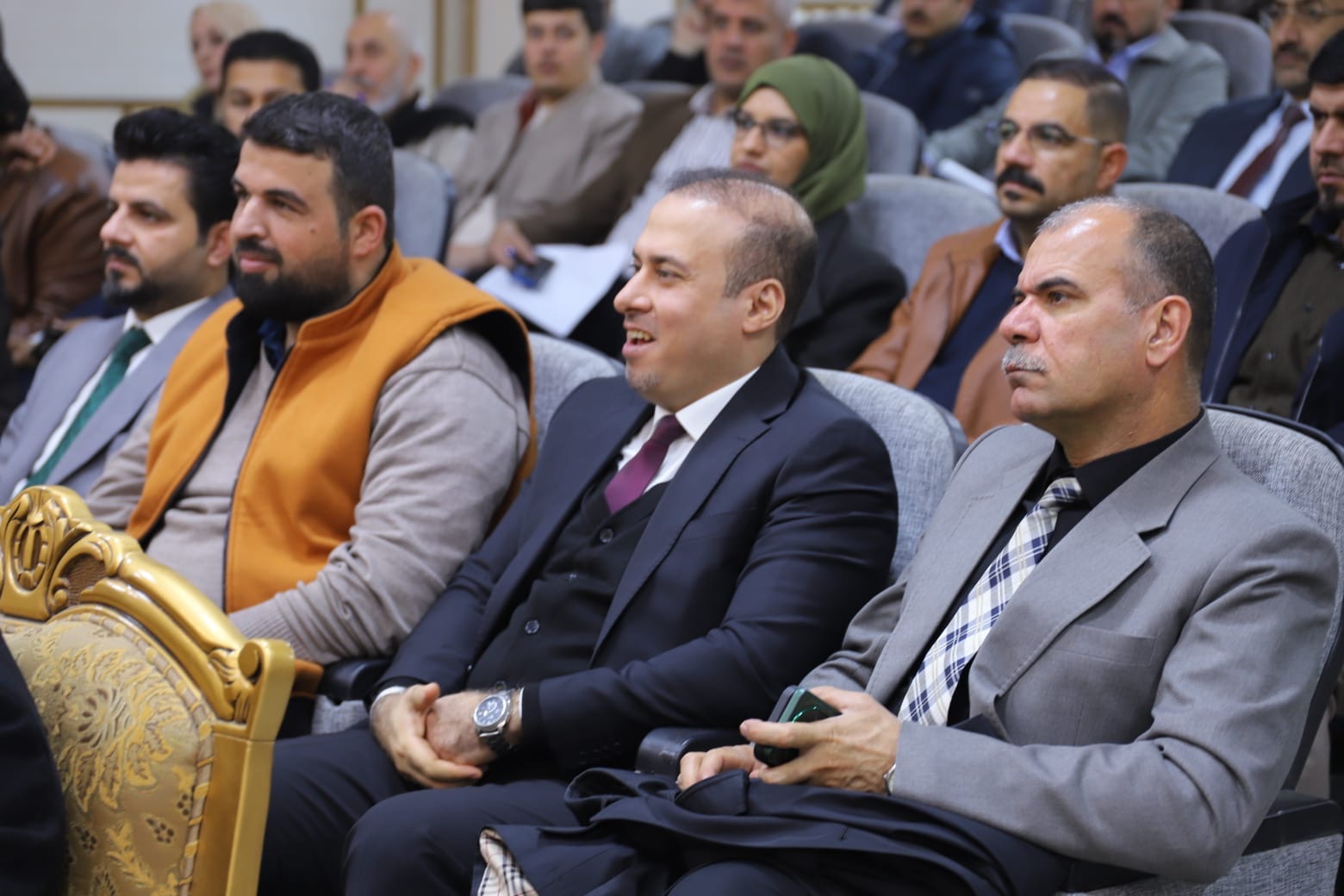
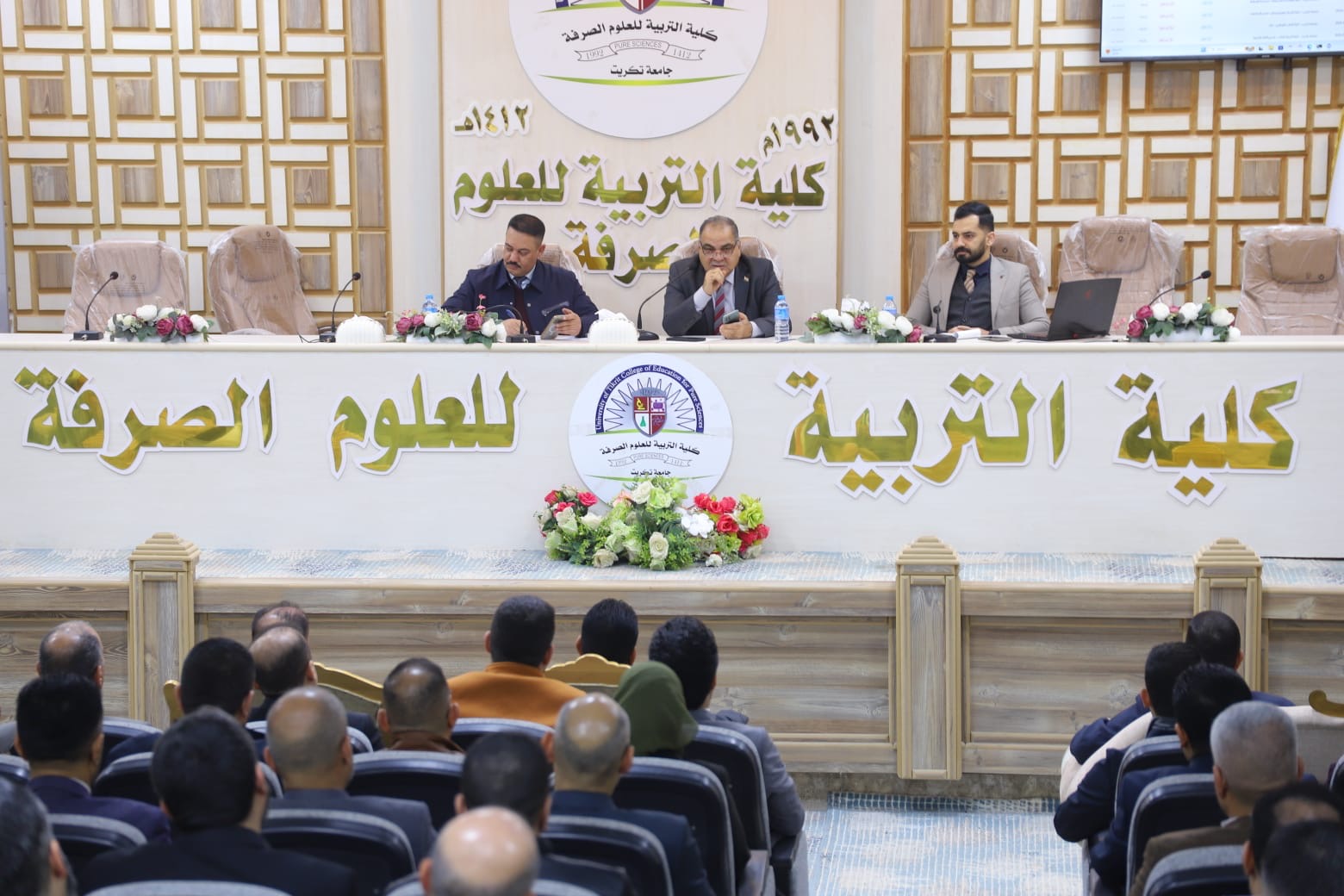
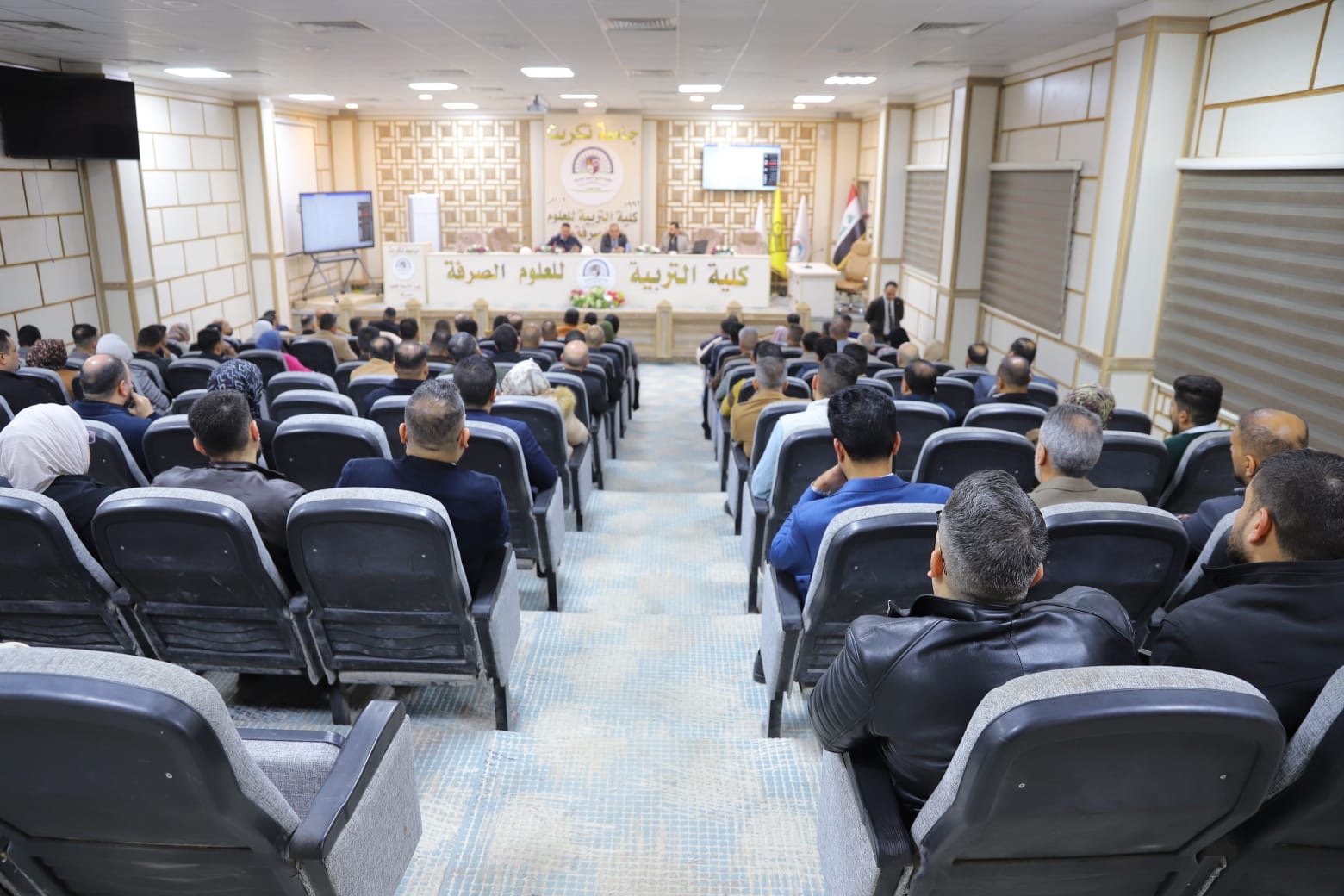

Tikrit University held a specialized workshop for college representatives and the central committee concerned with the implementation of the Student Information System (SIS), at Jaber Ibn Hayyan Hall in the College of Education for Pure Sciences, in the presence of Professor Dr. Hassan Hussein Ibrahim, Assistant President of the University for Scientific Affairs.
The workshop aimed to follow up on the stages of implementing the Higher Education Platform systems across the university’s colleges, assess progress rates, and discuss mechanisms to accelerate the completion of system requirements in line with the directives of the Ministry of Higher Education and Scientific Research within the comprehensive digital transformation project.
During the workshop, the Assistant President of the University for Scientific Affairs emphasized the importance of expediting the completion of the required data files and uploading them to the electronic systems, while adhering to the optimal implementation of system requirements. He pointed out that the application of the SIS represents a pivotal step in developing administrative and academic work, improving the quality of services provided to students, and enhancing data accuracy and ease of access.
The workshop included a detailed presentation of the stages of system implementation, methods of data entry and updating, as well as clarification of the responsibilities assigned to college representatives and specialized committees to ensure integration among the various units within the university.
The presenters also discussed the technical and administrative challenges facing the implementation process. Participants listened to the proposals and observations of college representatives regarding work mechanisms and training and technical needs, contributing to overcoming obstacles and ensuring a smooth and effective transition to the unified electronic system.
This workshop comes as part of a series of workshops and meetings held by Tikrit University to support the digital transformation project, unify electronic systems, and enhance institutional performance in line with the requirements of technological development in higher education institutions.
1.jpg)
.jpg)
.jpg)
.jpg)
.jpg)
.jpg)
.jpg)