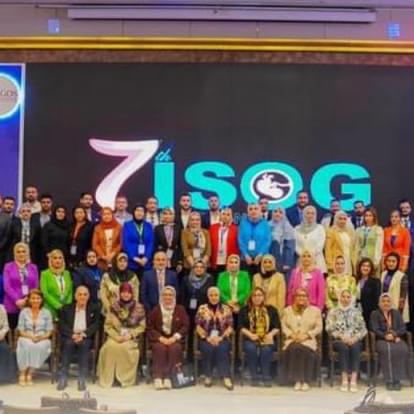
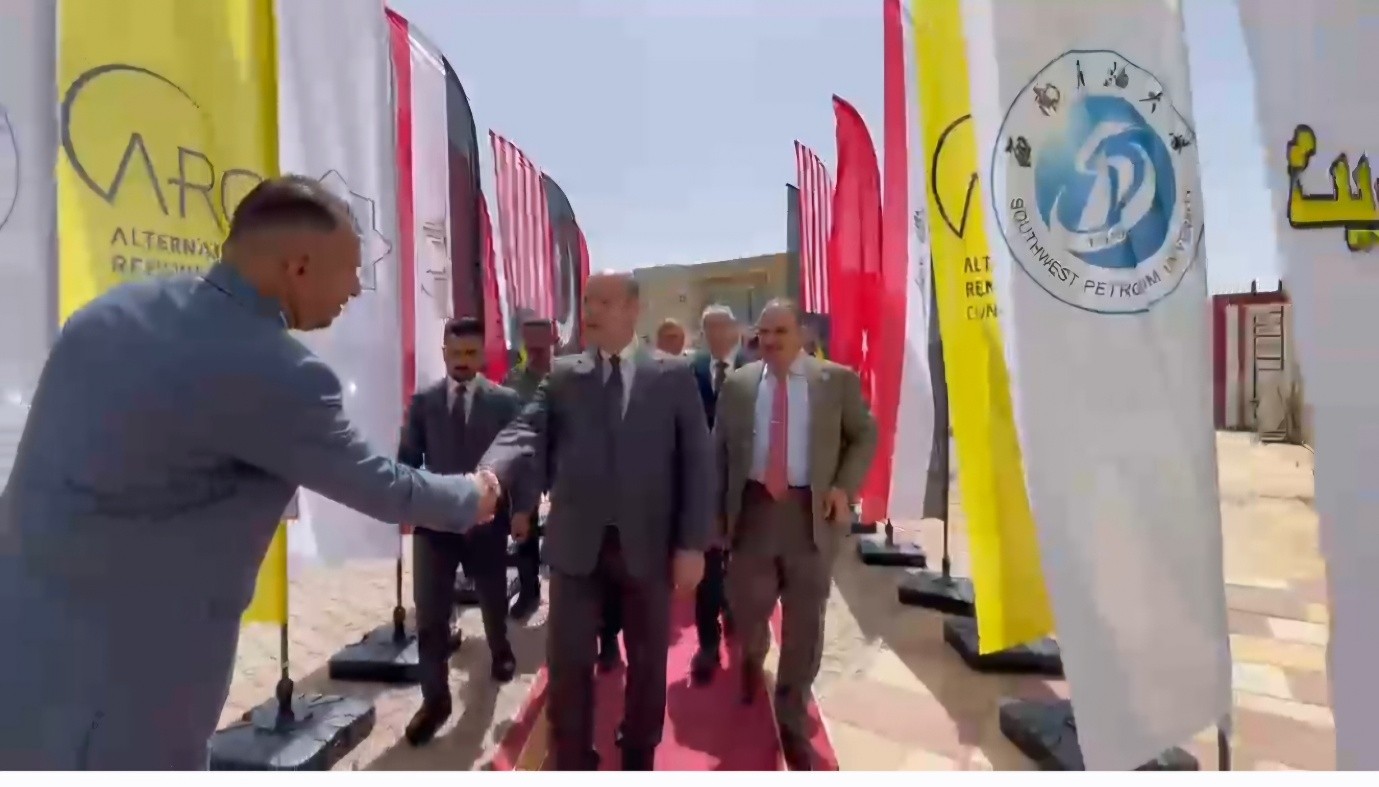
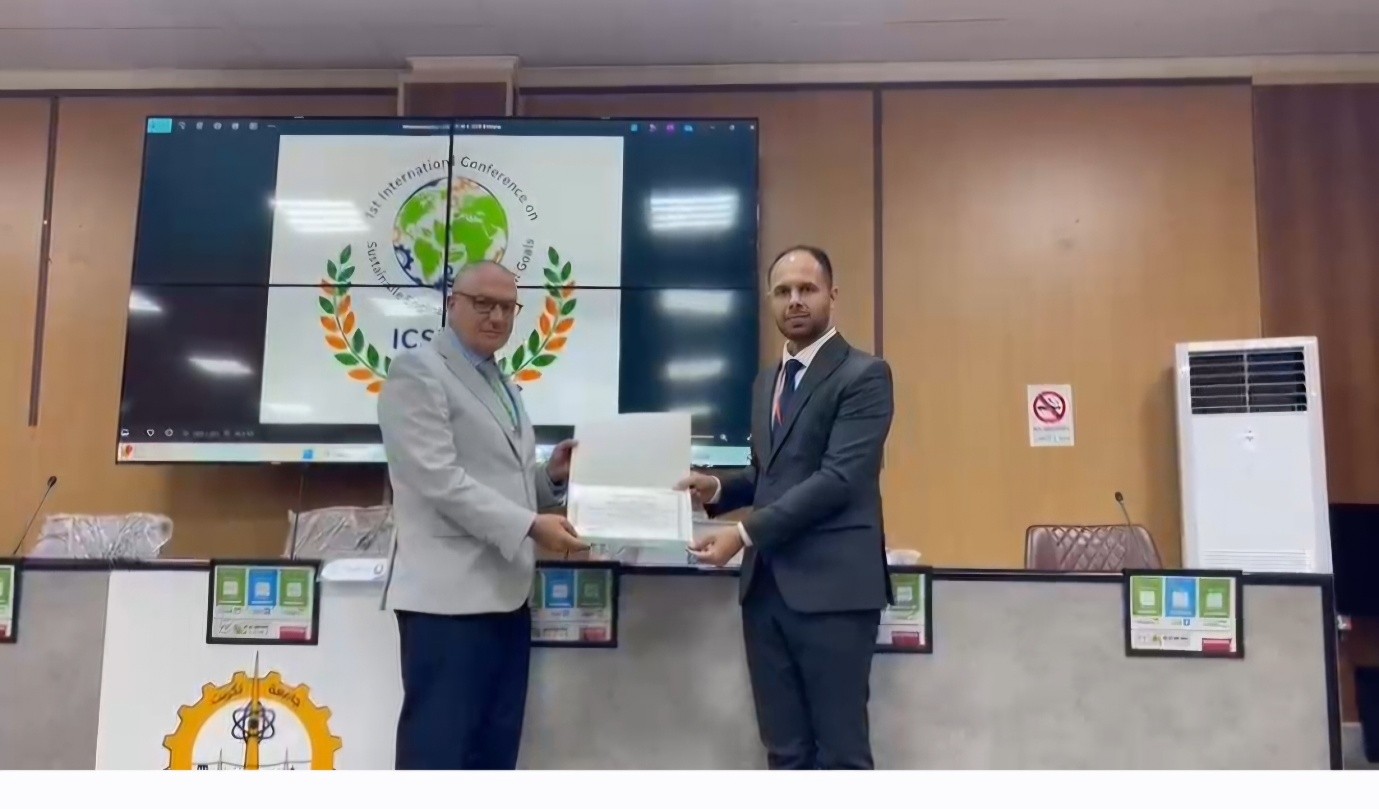
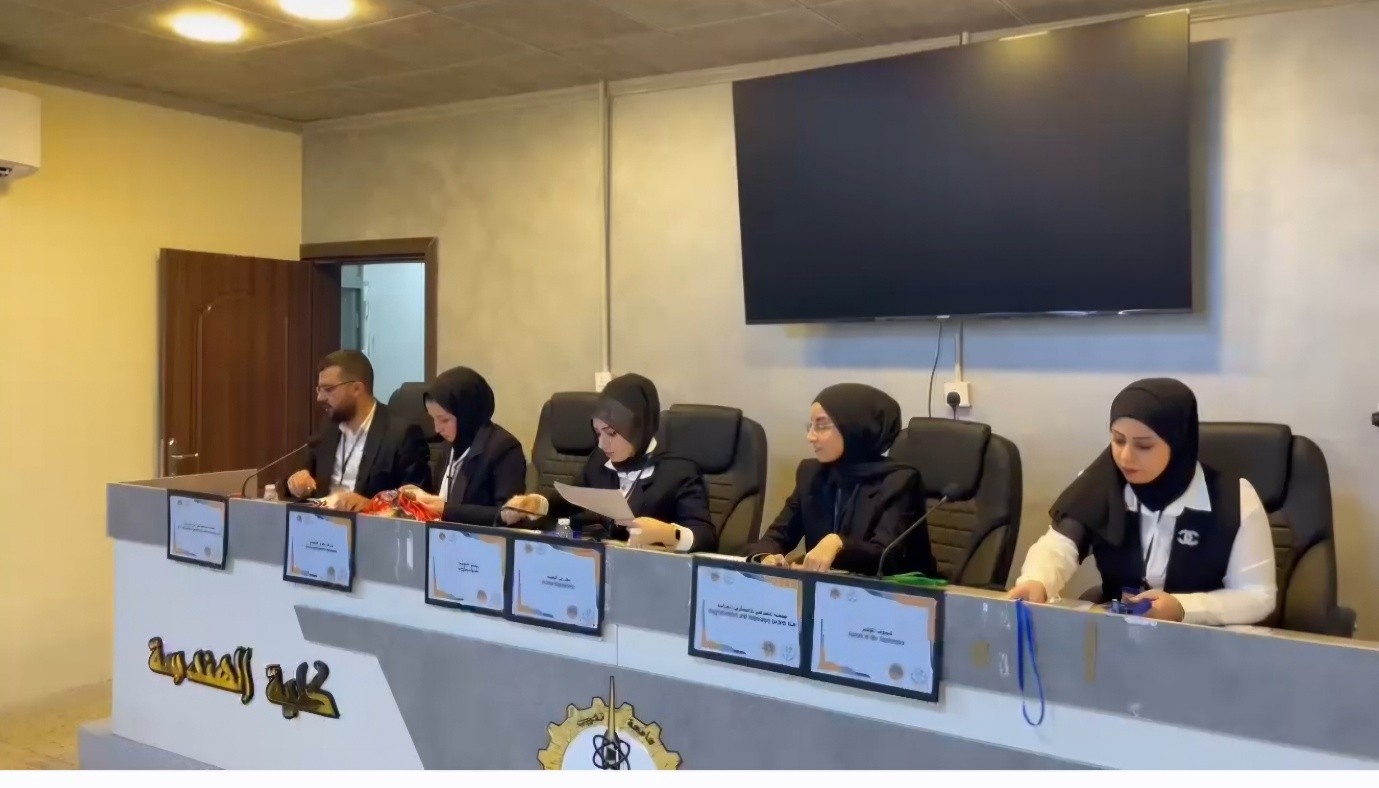
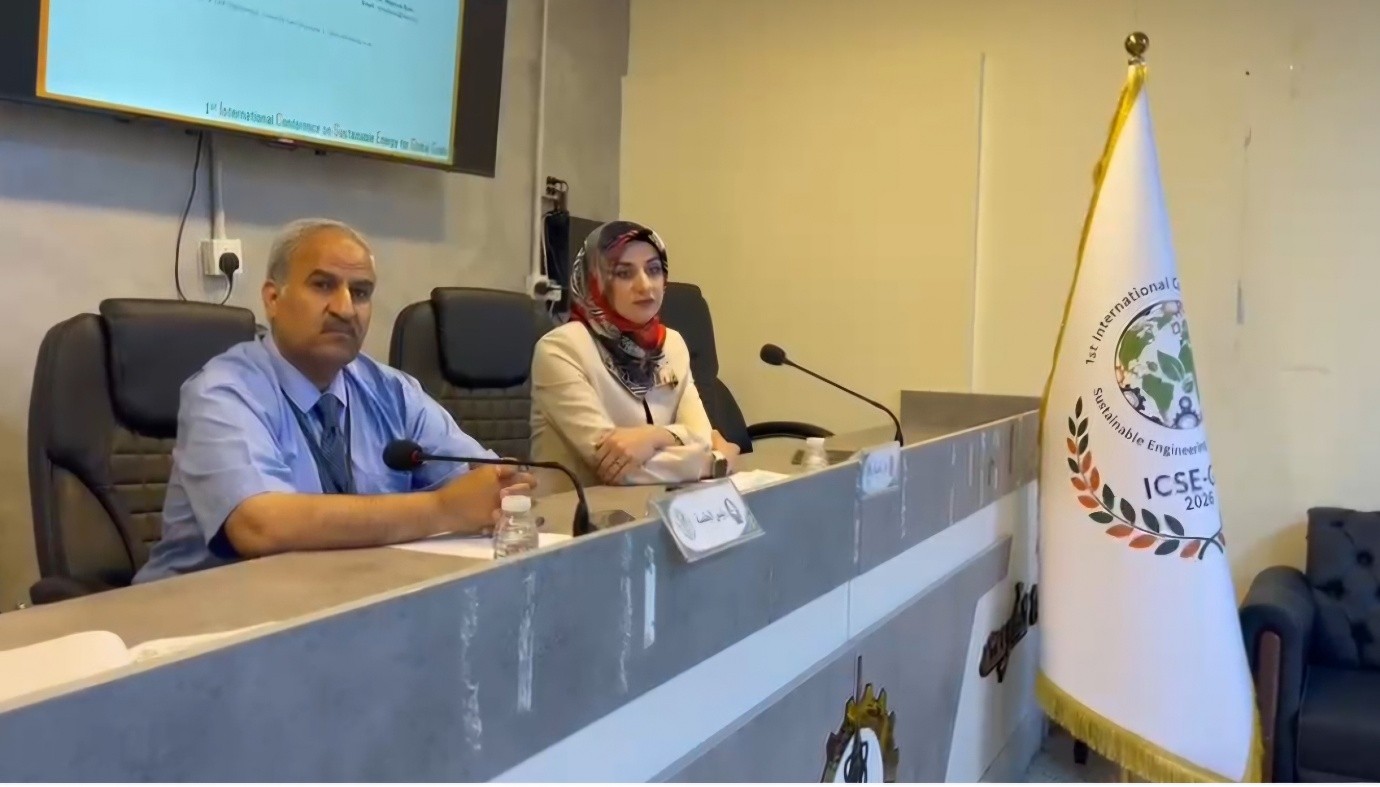
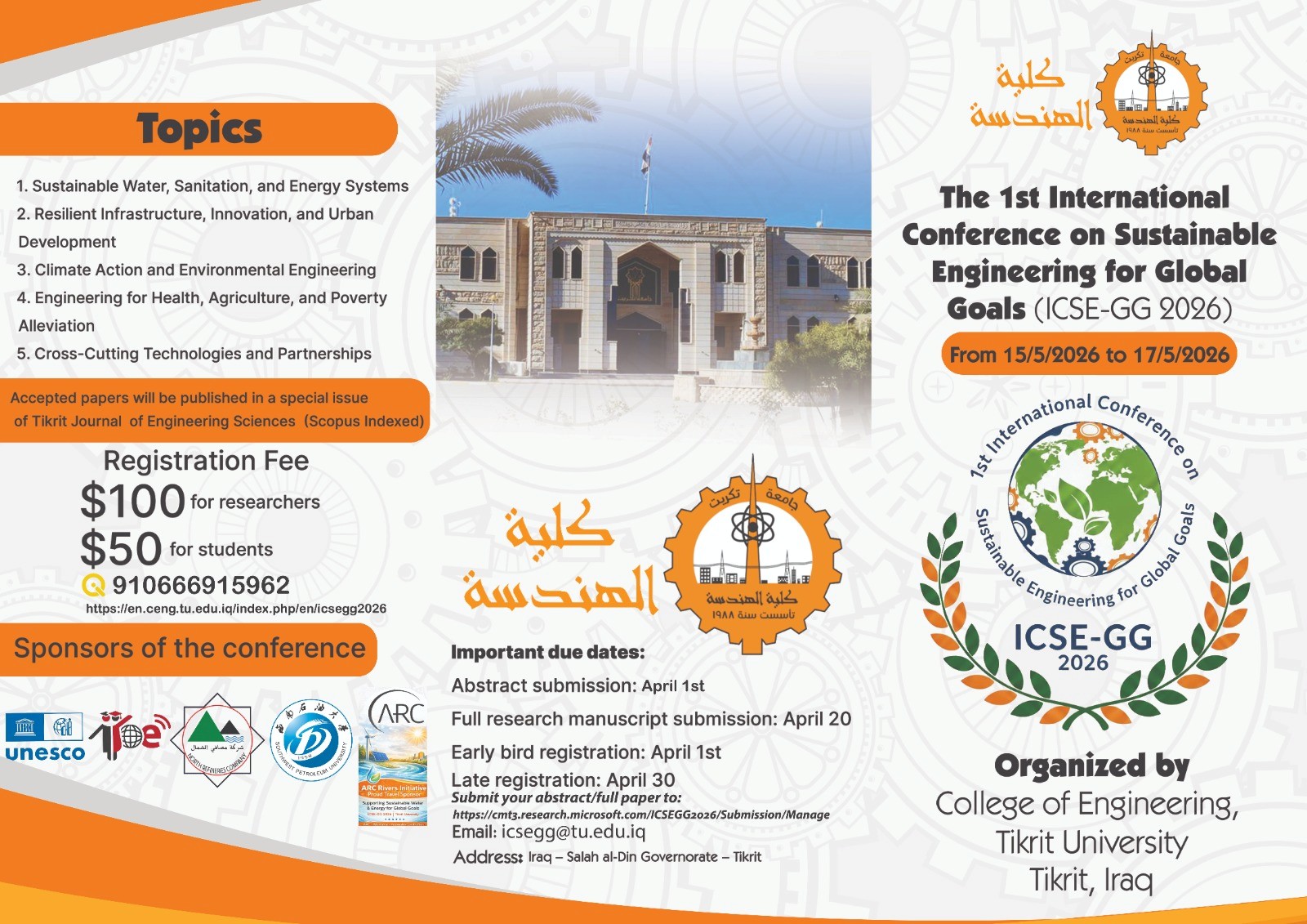
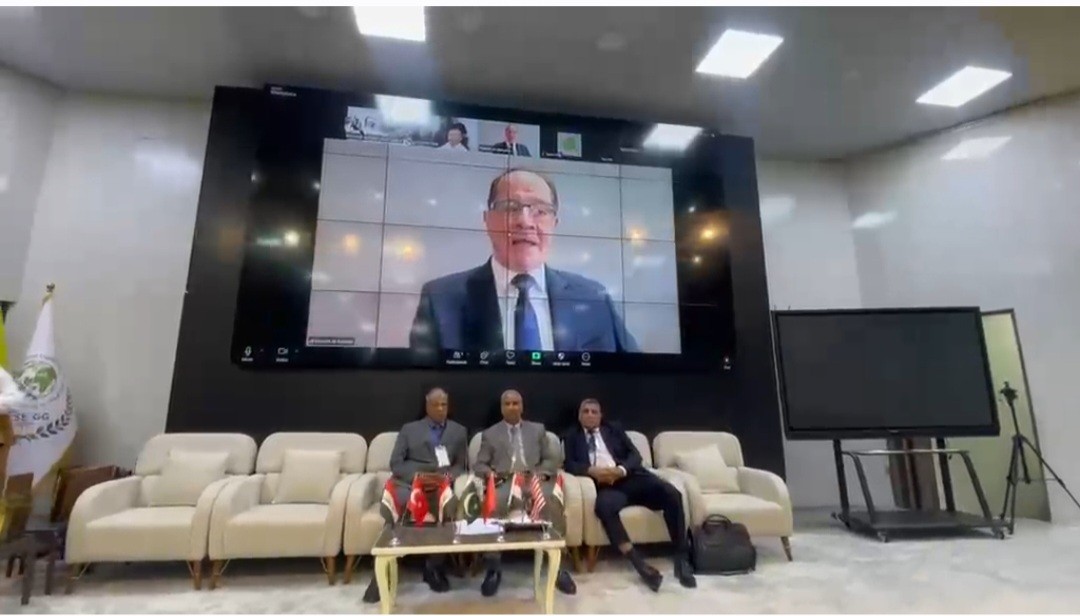
The College of Engineering at Tikrit University organized the 1st International Conference on Sustainable Engineering for Global Goals (ICSE-GG 2026) during 13–14 May 2026 under the patronage of the Ministry of Higher Education and Scientific Research and the Presidency of Tikrit University. The conference represented a major international academic event that aimed to promote sustainable engineering, scientific research, renewable energy, environmental protection, and digital transformation in alignment with the Sustainable Development Goals (SDGs).
The conference attracted broad participation from Iraqi and international researchers, academics, and experts. More than 102 scientific papers were presented by participants from several countries including the United States, the United Kingdom, Turkey, China, Malaysia, Pakistan, Russia, Morocco, Egypt, and numerous Iraqi universities. The event reflected the growing academic reputation of Tikrit University and its commitment to strengthening international scientific collaboration.
The conference focused on five major scientific themes:
- Sustainable Water, Energy, and Sanitation Systems
- Resilient Infrastructure, Innovation, and Urban Development
- Climate Action and Environmental Engineering
- Engineering for Health, Agriculture, and Poverty Alleviation
- Cross-Cutting Technologies and Sustainable Partnerships
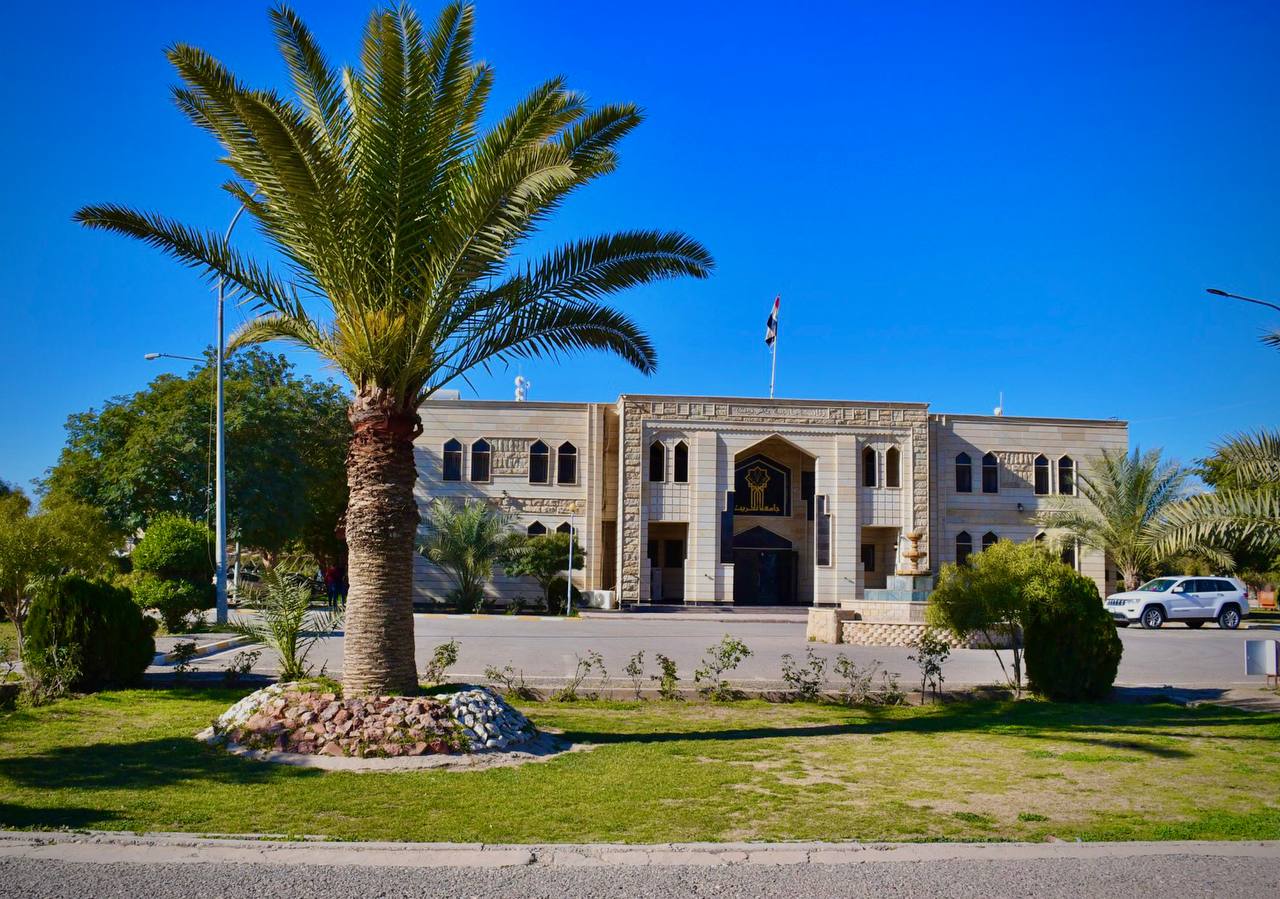
To host the conference professionally, the College of Engineering invested several months in upgrading its infrastructure and rehabilitating seven conference halls equipped with modern presentation technologies, internet connectivity, and advanced logistical facilities. These efforts significantly improved the college’s ability to host large-scale international scientific activities.
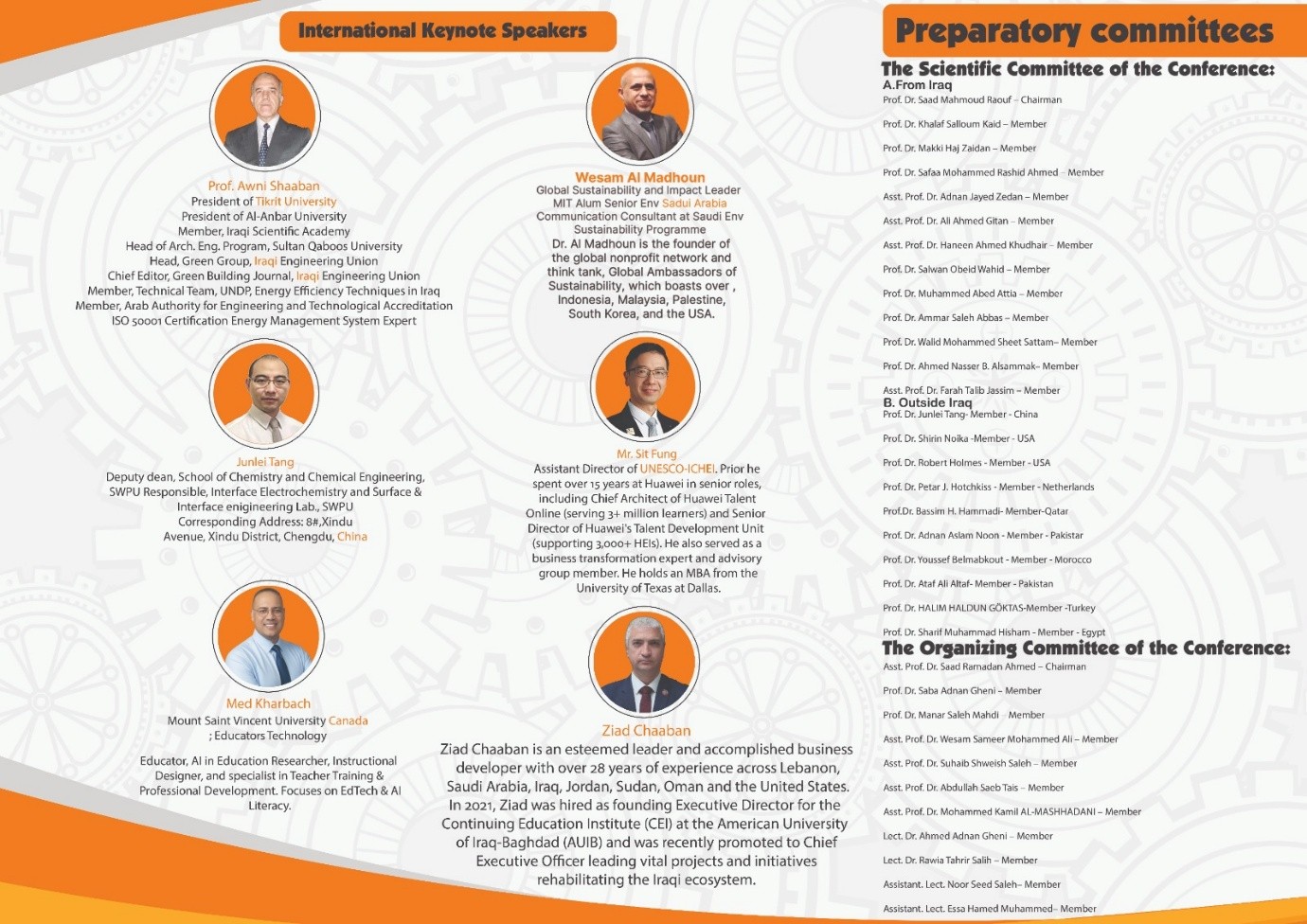
Scientific, preparatory, and organizational committees were formed in accordance with the regulations of the Ministry of Higher Education and Scientific Research. The committees included distinguished academics and experts from Iraqi and international universities. The local scientific committee was chaired by Professor Dr. Saad Mahmood Raoof, President of Tikrit University, while the organizing committee was chaired by Assistant Professor Dr. Saad Ramadan Ahmed, Dean of the College of Engineering. International experts from the United States, China, Turkey, Qatar, Pakistan, Egypt, Morocco, and the Netherlands also contributed to the conference organization and scientific evaluation process.
A total of 87 scientific reviewers from Iraqi and international universities participated in evaluating conference abstracts and full papers according to internationally recognized scientific standards. The review process included assessments of originality, scientific quality, plagiarism detection, and verification of the ethical use of artificial intelligence tools in academic writing. Accepted papers were nominated for publication in internationally indexed journals, including:
- Tikrit Journal of Engineering Sciences (Scopus Indexed)
- Al-Khwarizmi Engineering Journal (Scopus Indexed)
- Selected papers were also considered for publication in the MDPI Q2-ranked journal “World Electric Vehicle Journal.”
The conference hosted six international keynote speakers from prestigious global universities and institutions who delivered specialized lectures on sustainability, renewable energy, smart cities, artificial intelligence, digital transformation, and knowledge-based economies. Among the distinguished speakers were Professor Dr. Awni Kamel Shaaban, Mr. Sit Fung from UNESCO-ICHEI, Professor Dr. Ziad Chaaban from the American University of Iraq–Baghdad, Dr. Wessam Al Madhoun, Professor Dr. Junlei Tang from Southwest Petroleum University (China), and Dr. Med Kharbach from Mount Saint Vincent University in Canada.
One of the major activities of the conference was the specialized forum held on the second day, which focused on the challenges and opportunities of sustainable energy in Iraq. The forum included representatives from the Ministry of Industry and Minerals, the Scientific Research Authority, and Dr. Hussein Al-Bahadli from the Sustainable Energy Center in the United Kingdom. The discussions emphasized renewable energy development and cooperation between universities, governmental institutions, and the industrial sector to support sustainable development and strengthen Iraq’s energy security.
The conference received significant financial and institutional support from several organizations, including:
- North Refineries Company / Ministry of Oil (50 million Iraqi Dinars)
- Southwest Petroleum University, China (5,000 USD)
- ARC Renewable Construction, USA (5,000 USD)
In addition to the scientific sessions, the conference included several exhibitions and side activities such as:
- Sustainable energy and solar technology exhibitions
- Educational technology displays
- An exhibition for Iraqi inventors and innovators
- A postgraduate students’ poster competition with financial awards for the top three winners.
The conference also promoted environmental sustainability practices by distributing reusable cloth bags, recycled notebooks, and biodegradable pens containing plant seeds. Participants planted these seeds on the second day within Tikrit University as a symbolic initiative supporting sustainability and environmental awareness.
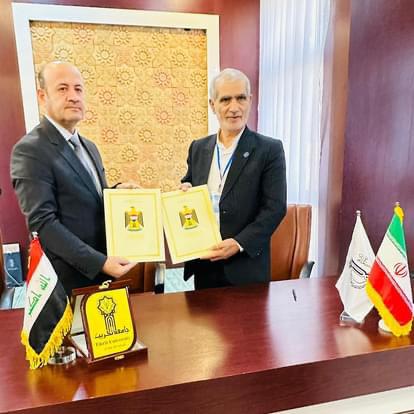
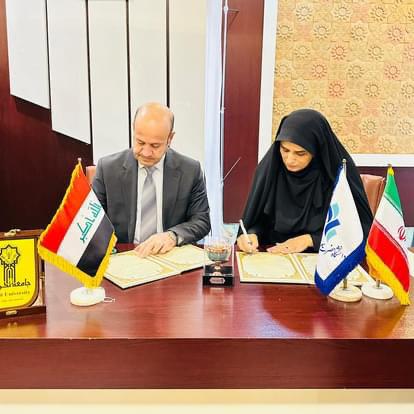
Furthermore, the conference strengthened international academic cooperation through official communication with international partners. It was agreed that Southwest Petroleum University would be officially recognized as “Southwest Petroleum University (China-Iraq Belt and Road Joint Laboratory on Oil and Gas Energy)” in all related media and academic reports, reflecting the strong scientific partnership between the institutions.
The final statement of the conference emphasized the importance of supporting renewable energy projects, encouraging applied research, promoting digital transformation and artificial intelligence, strengthening international academic partnerships, and sustaining the conference as a periodic international scientific platform. The conference successfully demonstrated Tikrit University’s capability to organize high-level international academic events and contributed significantly to expanding Iraq’s international scientific presence.
.jpg)
.jpg)
.jpg)
.jpg)
.jpg)
.jpg)
.jpg)
1.jpg)
.jpg)